Evidence concerning differences in capabilities to realize aspirations is prevalent. Whether one considers the labor market as a whole, or one focuses on specific segments, disparities in the probability of “success” between men and women exist despite decades of efforts to eradicate them. We all clearly need to learn more about the causes and the consequences of these disparities. Gender Gaps Conference is an annual event for scholars interested in this field. The theme for 2021 will be flexibility in working time arrangements as well as equality in reaching aspirations.
We invite papers studying gender inequality from the fields of economics, management, sociology, and social psychology. Research at the intersection of professional aspirations and flexibility of working time arrangements is particularly welcomed. The conference is open to empirical quantitative work, experimental studies as well as qualitative work. Empirical and experimental papers with strong theoretical foundations will be considered a priority, but studies advancing econometric and statistical tools measuring gender inequality as well as specific case studies are cordially invited as well. We invite papers on a broad range of issues, including but not limited to:
- evidence from field, laboratory and natural experiments;
- econometrics of estimating the gender gaps;
- determinants of gender gaps, such as labor market and other institutions, demographic processes, cultural changes and structure change;
- country, sector, occupational, regional as well as comparative studies;
- theoretical approaches to gender gaps in employment, wages, reaching aspirations and other outcomes.
We aim to create a forum where scholars interested in the analysis of gender gaps in the labor market can present and discuss theoretical, empirical and policy-related research. The format of the conference accommodates for engaging communication about the invited papers: we plan approximately 30 minutes for a presentation and each paper will be assigned a discussant. We plan for plenary sessions, but in the case of many high quality papers submitted to the conference, we will organize additional poster sessions with ample space for discussion in a friendly atmosphere.
The keynote speakers are Andrea Weber and Julia McQuillan.
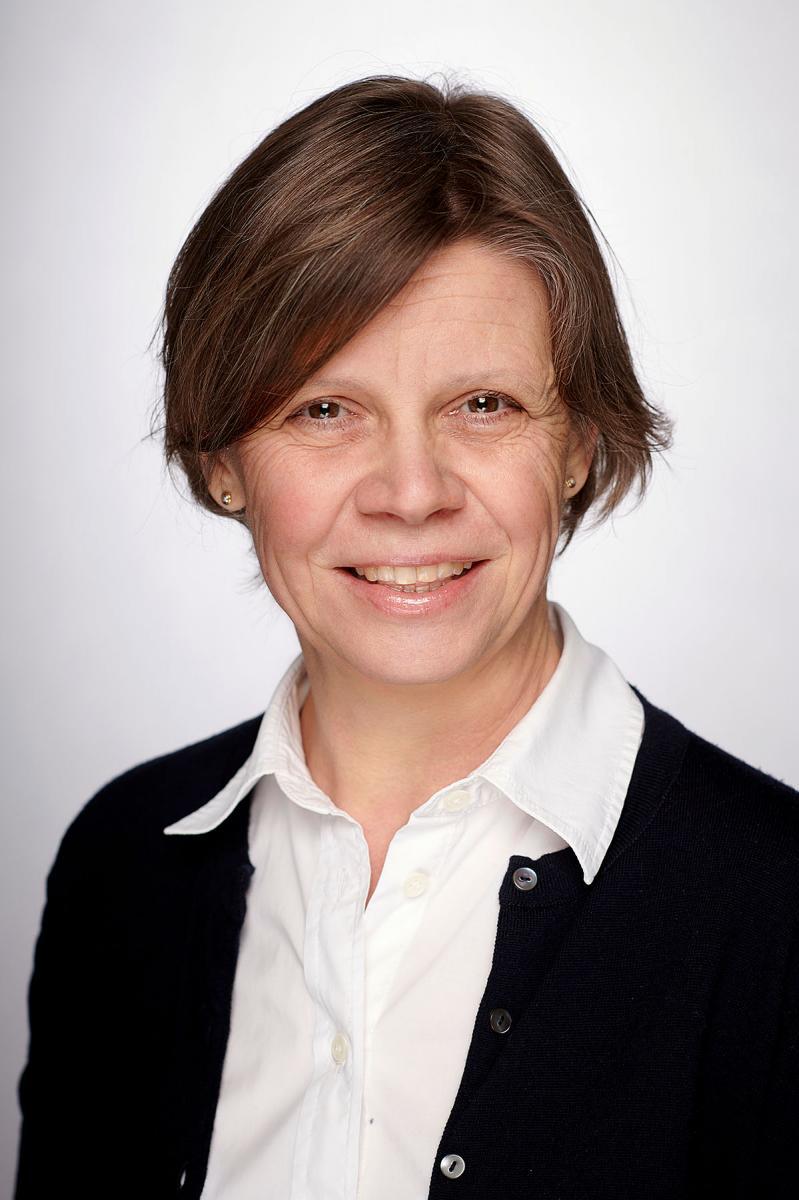
Andrea is a professor at the Central European University and a co-editor of the Journal of Public Economics. She is a also a research fellow at the Institute of Labor Economics and a fellow at the CEPR. She obtained her PhD from the Vienna University of Technology and an MA in Mathematics from the same university. Andrea's research mainly focuses on labor economics and applied econometrics with particular emphasis on gender inequality. Before joining the CEU, she was a Professor at Vienna University of Economics and Business and the University of Mannheim and was a visiting assistant professor at University of California, Berkeley.

Julia is Willa Cather Professor of Sociology at the University of Nebraska-Lincoln. She uses fundamental social psychological theories and rigorous research designs and analyses to study changing structures and practices to increase gender equity and wellbeing. She was part of a team that created the two-wave, public use dataset called the National Survey of Fertility Barriers. Through an interdisciplinary team she studied factors related to recruiting, retaining, and promoting women in Science, Technology, Engineering, and Mathematics (STEM) fields and ways to transform academia to create greater diversity and inclusion. Her current agenda concerns engaging youth network science for health knowledge and careers, with particular emphasis on ways to attract and support people from underrepresented communities (e.g. women of all racial/ethnic groups and men from black, indigenous, and communities of color). She was an editor of Gender & Society.
Papers or extended abstracts should be submitted before April 1st, 2021. We are happy to address whichever questions you may have before that date. The decisions of the Scientific Committee will be distributed before May 1st, 2021. Full papers will have a priority over extended abstracts, but our aim is to construct a coherent and engaging event, giving all participants fruitful forum to exchange ideas and engage in scientific collaboration.
Unfortunately, we have to organize the conference in a digital format due to the pandemic. There is a conference fee of 80 euro. PhD students may apply for a reduced fee of 50 euro.

Irena Kotowska is Head of Centre for Demography, Institute of Statistics and Demography, at the Warsaw School of Economics. She works as a professor in Economics and Demography, as vice-president in the Foundation for Polish Science, and as president of Demographic Sciences Committee in the Polish Academy of Sciences. She participates in an expert team developing the family policy programme at the Chancellery of the President of Poland. She represents Poland in European Statistical Advisory Committee at Eurostat and has been appointed a member of Expert Group on Social Investment for Growth and Cohesion at the European Commission.

Astrid Kunze is a Professor of Economics at the Norwegian School of Economics in Bergen, Norway. From 2000 to 2002, she was employed as a Research Associate at IZA. She holds a Ph.D. from University College London and an MSc from University of Bielefeld. Her main research interests are labor economics and applied micro-econometrics. She is particularly interested in the causal effects of public policies on labor market behavior. Astrid has conducted studies on the evaluation of parental leave policies, child care programs and cash-for care policies, as well as gender quotas on boards.

Michal Myck is Director and Member of the Board of CenEA and a Research Fellow in the Public Economics department at DIW-Berlin. Since 2005 he has been the Polish Country Team Leader for the Survey of Health, Aging and Retirement in Europe (SHARE). He is a Research Fellow at IZA Bonn. His work is currently centered on modeling of labor market behavior, the relationship between health and employment, the effectiveness of welfare to work programs, and the structure of personal taxes and benefits.

Irene Van Staveren is head of the PhD programme and project leader of the online database Indices of Social Development at Erasmus University in Rotterdam and the Institute of Social Studies in Rotterdam. In addition, van Staveren is a member of the think tank Sustainable Finance Lab and she is on the editorial boards of the Journal of Economic Issues, Review of Social Economy, and Feminist Economics. She published in 2015 a pluralist economics textbook with Routledge, titled Economcis after the Crisis – an introduction to economics from a pluralist and global perspective.

Bram Timmermas Bram Timmermans is a Professor at the Department of Strategy and Management. Before joining NHH, Bram worked in the Norwegian institute sector as senior researcher at Agderforsknings’s Innovation Department and as associate professor in innovation studies at Aalborg University. Bram obtained a PhD in the economics of innovation from Aalborg University and received a MSc. in Innovation, Knowledge and Economic Dynamics from Aalborg University (2007) and a MSc. in Economic Geography (2004) at the University of Utrecht. His main research interest lies within the field of innovation and entrepreneurship, new venture team development and performance, labor mobility, team mobility, strategic human resource development, employee diversity, organization theory, relatedness and related variety, and industrial dynamics.

Siri Terjesen is a Dean’s Distinguished Professor of Entrepreneurship at Florida Atlantic University’s College of Business. Her research on entrepreneurship, corporate governance, and strategy has been published in leading journals such as Academy of Management Review, Journal of Management, Journal of Operations Management, Business Ethics Quarterly, Journal of Business Ethics, Leadership Quarterly, Academy of Management Learning & Education, and Strategic Management Journal, and featured in leading media including Bloomberg, US News & World Report, the Times, Huffington Post, and CNBC. She is an Associate Editor of Small Business Economics and Industry & Innovation, and a member of the editorial board of Entrepreneurship Theory & Practice, Leadership Quarterly, and Corporate Governance: International Review. Siri is a co-author of the Global Entrepreneurship Monitor’s Social Entrepreneurship report on the prevalence of social entrepreneurship in 60+ countries around the world.

Jose Garcia-Louzao is a Senior Research Economist at the Bank of Lithuania and Affiliated Assistant Professor at Vilnius University. He has received his PhD in June 2019 from Universitat Autonoma de Barcelona and Barcelona GSE for his thesis “Essays in Job Mobility” under supervision of Ana Rute Cardoso (IAE-CSIC and Barcelona GSE). He has also been a visiting scholar at the Microdata Laboratory of the Bank of Portugal (BPlim). His research combines large administrative datasets and micro-econometrics techniques to study the determinants of worker mobility and wage dynamics. He has publications in international journals like British Journal of Industrial Relations.

Jekaterina Navicke is an associate professor at the Social Policy Department at Vilnius University, Lithuania. Her interests and research topics cover poverty and inequality, social policy evaluation, social protection and labour markets. She received her PhD in Sociology from Vilnius University in 2015. She has been a Lithuanian country team leader for development of the tax-benefit microsimulation model EUROMOD since 2015. Since 2019 she has acted as a national coordinator of the European Social Policy Network. She has published in international journals like Social Indicators Research, Social Science Research, Journal of Baltic Studies.

Magdalena Smyk is an Assistant Professor at Warsaw School of Economics. She joined GRAPE in 2013 and joined the board in 2017. Previously, she cooperated with The World Bank and Institute for Structural Research. Her research interests concern the determinants of the occupational choice and labor market inequality. She has published on European Economic Review, Sociological Methods and Research and Social Indicators Research. She is particularly fond of experimental methods. Magdalena was awarded Ph.D. by University of Warsaw.
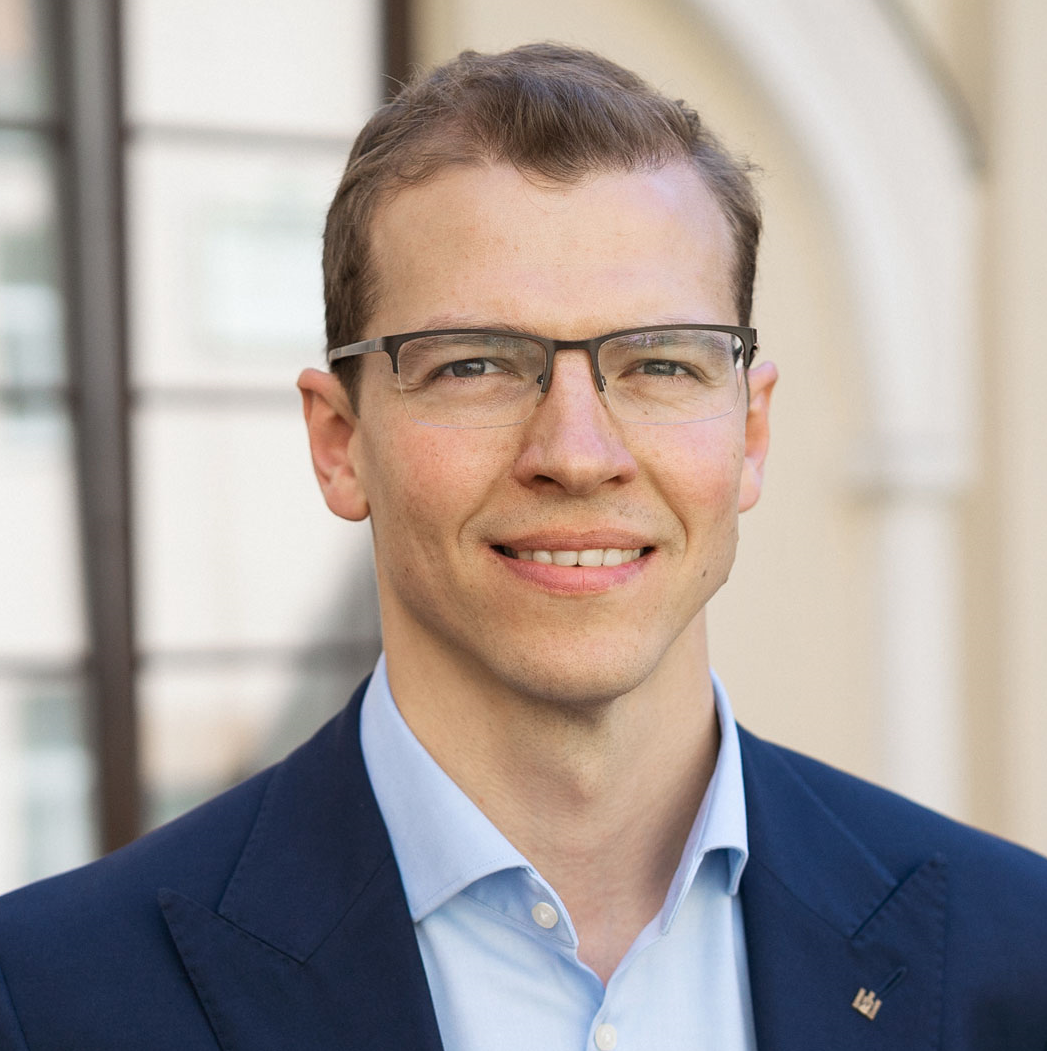
Linas Tarasonis is Vice Dean of the Faculty of Economics and Economics at Vilnius University and a Senior Research Economist at the Bank of Lithuania. He holds a PhD in Economics from Paris School of Economics since 2013 under supervision of Fabien Postel-Vinay (UCL). He has also worked as postdoctoral fellow at Aix-Marseille School of Economics from 2013 to 2016. His main research areas are Applied Microeconomics, Economics of Discrimination, and Labor Economics. His publications include articles in Economic Policy and Labour Economics. He is one of the founders and a board member of the Baltic Economic Association.

Joanna Tyrowicz is a professor at University of Warsaw. She co-founded GRAPE in 2011. Between 2007 and 2017 she served as an Economic Advisor at Economic Institute of National Bank of Poland, specializing in labor market and household issues. In 2009 she was a Fulbright Scholar at Columbia University, and in 2010 she was a Mellon Fellow at the Netherlands Institute for Advanced Studies. Her tenure book “Unemployment Hysteresis in Poland” was awarded the Prize for Best Economic Book of 2014 by Polish Economic Association. Her research interests concern empirical labor economics, inequality and social policy. She is an IZA Research Fellow. Her PhD was awarded by University of Warsaw, she also holds a degree from Katholike Universiteit Leuven.

Lucas van der Velde is an assistant professor at Warsaw School of Economics and a Researcher at GRAPE, where he joined in 2012. In 2019-2020 he was a Visiting Scholar at UC Berkeley, prior to that he has received the award for exceptional junior researchers from Ministry of Science and distinctions for his PhD thesis from University of Warsaw. He has published, among others, in Journal of Comparative Economics, Oxford Bulletin of Economics and Statistics as well as Journal of Economic Surveys. His work is centered on the issues of economic inequality and technology.
The conference under the auspices of Ministry of Education and Science of the Republic of Poland within the program "Scientific Excellence".


Day 1 – June 17th, 10.00AM – 5.45 PM
|
09:30-10:00
|
Morning coffee - EARHART project and Norway Funds support
|
|
10:00 - 11:30
|
Elizaveta Pronkina (LEDa-LEGOS, Université Paris-Dauphine), USSR, Education, Work History, Fertility Choices, and Later-Life Outcomes Discussant: Michał Myck Audinga Baltrunaite (Bank of Italy), Mario Cannella (Northwestern University); Sauro Mocetti (Bank of Italy), Giacomo Roma (Bank of Italy), Board Composition and Performance of State-Owned Enterprises: Quasi-Experimental Evidence Discussant: Joanna Tyrowicz
|
|
11:45 - 13:00 [PhD session] |
Mathias Jensen (Copenhagen Business School), Gender Differences in Returns to Skills: Evidence from Matched Vacancy-Employer-Employee Data Ipek Yuekselen (IAB), Malte Sandner (IAB), The Early Career Gender Wage Gap for University Graduates Veronika J. Knize (IAB), Welfare Policies, Street-Level Organizations, and Gender Arrangements in Times of Workfare: The Gender Sanction Gap in Germany Discussant for the session: Astrid Kunze
|
|
13:15 - 14:45
|
Ben Lochner (Friedrich–Alexander University of Erlangen–Nuremberg, IAB), Christian Merkl (Friedrich–Alexander University of Erlangen–Nuremberg, IZA), Gender-specific search, matching and the residual gender wage gap Discussant: Linas Tarasonis Hannah Illing, (IAB), Johaness Schmieder (Boston University, NBER, IZA), Simon Trenkle (IZA, IAB), The Gender Gap in Eearnings Losses after Job Displacement Discussant: Jose Garcia-Louzao Perez |
|
15:15 - 16:15
|
Andrea Weber’s Keynote Lecture |
|
16:30 - 17:45 [PhD session]
|
Yuki Takahashi (Universita di Bologna), Gender Differences in the Cost of Contradiction Huyen Nguyen (Erasmus University Rotterdam, University of Hamburg), The (Great) Persuasion Divide? Gender Disparities in Debate Speeches and Evaluations Robert Stüber (WZB Berlin, Berlin School of Economics), Urs Fischbacher (University of Konstanz), Dorothea Kübler (WZB Berlin), Preference for Homogeneity? Occupational Segregation and Gender Stereotypes Discussant for the session: Julia McQuillan |
Day 2 – June 18th, 10.00AM – 5.45 PM
|
09:30-10:00 |
Morning coffee - EARHART project and Norway Funds support |
|
10:00 - 11:30
|
Ilona Pavlenkova (University of Tartu), Luca Alfieri (University of Tartu), Jaan Masso (University of Tartu), Effects of Automation on Gender Pay Gap: the case of Estonia Discussant: Aleksandra Parteka Annika Bacher, (European University Institute), The Gender Investment Gap over the Life-Cycle Discussant: Oliwia Komada
|
|
11:45 - 13:00 [PhD session]
|
Jonas Jessen (DIW Berlin, Free University of Berlin), Culture, Children and Couple Gender Inequality Johanne Bacheron (Aix-en-Marseille School of Economics). The impact of paternity leave on mothers' employment in Europe Mara Rebaudo (FIT, University of Freibourg), Martin Acht (FIT, University of Bonn), A Gender Gap in Gender Gaps: Social Norms and Housework Reporting Discussant for the session: Iga Magda
|
|
13:15 - 14:45
|
Ingrid Haegele (UC Berkeley), Talent Hoarding in Organizations Discussant: Bram Timmermans Laura Hospido (Banco de Espana, IZA), Olympia Bover (Banco de España, CEPR), Anna Lamo (European Central Bank), Gender and Career Progression: Evidence from the Banco de España Discussant: Andrea Weber
|
|
15:15 - 16:15
|
Julia McQuillan’s Keynote Lecture |
|
16:30 - 17:45 [PhD session]
|
Philipp Lentge (Leuphana University of Lüneburg), Boris Hirsch (Leuphana University Lüneburg), Non-Base Compensation and the Gender Pay Gap Johannes Carow (Johannes Gutenberg-University Mainz, MWVLW RLP), Christopher Koch (Johannes Gutenberg-University Mainz), Thorsten Schank (Johannes Gutenberg-University Mainz, IWH, IZA and LASER), Stefanie Wolter (IAB), Women on supervisory boards and the gender wage gap Esther Chevrot-Bianco (University of Copenhagen), It only takes a strong tie: Board gender quotas, personal connections, and women's access to the boardroom Discussant for the session: Siri Terjesen |
Day 3 – June 19th, 11.00AM – 4.15 PM
|
10.30-11.00 |
Morning coffee |
|
11:00 - 12:30
|
Julia Hatamyar (University of York), The Impact Of Workplace Breastfeeding Legislation on Labor Market Outcomes Discussant: Anna Matysiak Zeynep Yılmaz (Bilkent University), Pelin Akyol (Bilkent University), Effects of Grandmothers' Proximity on Mothers' Labor Force Participation Discussant: Ewa Cukrowska-Torzewska |
|
12:45 - 14:15
|
Aline Zucco (Institute of Economic Research of the Hans-Böckler Foundation), Ann-Christin Bächmann (Leibniz Institute for Educational Trajectories), Corinna Frodermann (IAB), A Question of Gender? How Promotions Affect Earnings Discussant: Katarzyna Bech Simone Haeckl (University of Stavanger), Melis Kartal (Vienna University of Economics and Business), Does a stereotype benefit women in the labor market: An experiment on perseverance Discussant: Magdalena Smyk |
|
14:30 - 16:00
|
Marco Stimolo (Università di Napoli Federico II), Anna Laura Baraldi (Università di Campania), Giovanni Immordino (Università di Napoli Federico II), Mafia Wears Out Women in Power: Evidence from Italian Municipalities Discussant: Kamil Sekut Gabriele Mari (Erasmus University Rotterdam), Working-time flexibility (is not the same) for all: Evidence from a right-to-request reform Discussant: Lucas van der Velde
|
|
16:00-16:15 |
PhD award + announcements |
EquAl in ReacHing AspiRaTions
 |
Dowody świadczące o nierównościach w możliwościach realizacji aspiracji są powszechne: w wielu segmentach rynku pracy, szczególnie dla wysoko specjalizowanych pracowników, ale także wśród przedsiębioców i osób wykonujących zawody tzw. wolne. Badania empiryczne i debata publiczna są pełne studiów przypadków i kompleksowych badań empirycznych dokumentujących ogromną przepaść między osobami odnoszącymi sukcesy (zazwyczaj mężczyźni z dominujących grup etnicznych i rasowych) i tymi, którym sukces wydarza się ze znacznie niższym prawdopodobieństwem (zazwyczaj mniejszości etniczne i kobiety). W literaturze brak jednak systematycznych badań nad źródłami tych dysproporcji i ich konsekwencjami, często na skutek braku danych i ograniczeń metodologicznych. Nasz projekt proponuje kilka innowacji pomagających przełamać bariery poznawcze w badaniach nad równością w osiąganiu aspiracji. |
Nasz projekt jest interdyscyplinarny, łącząc cztery dziedziny: zarządzanie, ekonomię, metody ilościowe i psychologię. Ważną cechą tego projektu jest to, że oferuje zróżnicowaną perspektywę metodologiczną, łącząc stosowaną mikroekonometrię oraz metody eksperymentalne.
Projekt realizowany jest dzięki wsparciu finansowemu Funduszy Norweskich.
| |
Evidence concerning inequality in ability to realize aspirations is prevalent: overall, in specialized segments of the labor market, in self-employment and high-aspirations environments. Empirical literature and public debate are full of case studies and comprehensive empirical studies documenting the paramount gap between successful individuals (typically ethnic majority men) and those who are less likely to “make it” (typically ethnic minority and women). So far the drivers of these disparities and their consequences have been studied much less intensively, due to methodological constraints and shortage of appropriate data. This project proposes significant innovations to overcome both types of barriers and push the frontier of the research agenda on equality in reaching aspirations. |
Overall, project is interdisciplinary, combining four fields: management, economics, quantitative methods and psychology. An important feature of this project is that it offers a diversified methodological perspective, combining applied microeconometrics, as well as experimental methods.
The project funded through Norway Grants.
Na wysokich stanowiskach w korporacjach, w nauce i w instytucjach politycznych dominują mężczyźni. Kobiety nie chcą?
Sześć podstawowych pytań badawczych naszego projektu.
- Czy nierówności na rynku pracy sprzyjają podejmowaniu samozatrudnienia z przymusu?
Analizujemy kanały, przez które nierówności na rynku pracy mogą wpływać na decyzję o samozatrudnieniu, formułujemy model teoretyczny i przeprowadzamy empiryczną weryfikację jego przewidywań, dostarczając w ten sposób nowych wniosków na temat powiązań między nierównościami a samozatrudnieniem. - Czy start-upy kierowane przez kobiety podlegają silniejszym ograniczeniom zasobów niż start-upy założone przez mężczyzn? Czy wpływa na to dalszy rozwój firmy?
Dotychczasowe badania wykazały, że przy tworzeniu startupów występuje tzw. dobór assortatywny. Korzystamy z bogatych danych dopasowanych do pracodawców i pracowników, które obejmują kilka dekad wstecz dla Norwegii, aby zbadać uprzedzenia płciowe w nowych firmach venture capital. - Czy zróżnicowanie rad nadzorczych pomaga zwiększyć zróżnicowanie najwyższego kierownictwa, zwłaszcza wśród firm niepodlegających kontroli publicznej?
Wykorzystując unikalne i kompleksowe dane dla ponad 100 milionów firm w Europie, a także innowacyjne metody data science badamy przypadki wejścia kobiet do rad nadzorczych i obserwujemy ich wpływ na zróżnicowanie na pozycjach zarządczych w tych firmach. - Czy różnorodność rad nadzorczych i zarządów ze względu na płeć wpływa na wyniki firmy?
Przedstawiamy pierwsze przyczynowe i kompleksowe szacunki dotyczące wpływu różnorodności w radach płci na wyniki firmy. Nasze badanie byłoby kompleksowe, ponieważ zbada skutki nie tylko dla firm publicznych (notowanych na giełdzie), ale także dla firm prywatnych (nie notowanych na giełdzie). Będzie również kompleksowy w tym sensie, że nasza strategia identyfikacji opiera się na zwykłym biznesie, a nie na konkretnym, zazwyczaj nietypowym czasie reformy przepisów dotyczących ładu korporacyjnego. Wkładem naszej pracy jest połączenie metodologii tzw. instrumentów Bartika z weryfikacją kryterium wykluczenia w data science (uczenie maszynowe) w celu zapewnienia kompleksowej oceny wpływu zróżnicowania płci na wyniki firmy. - Jaka jest rola unikania informacji i potwierdzania stronniczości w ocenie wyników menedżerów mniejszościowych w porównaniu z menedżerami spoza mniejszości?
Osadzone w ramach unikania informacji, zaprojektowaliśmy dwa eksperymentalne ustawienia wyróżniające się interesem własnym uczestników (w jednym projekcie badani zaobserwują bezpośrednią korzyść finansową ze swoich decyzji, w drugim projekt odniesie korzyść dla społeczeństwa). Wnioskujemy o powiązaniach między postrzeganiem poszczególnych umiejętności i zdolności w zależności od płci a wpływem kontekstu na te postrzeganie. - Jaka jest rola confirmation bias w ocenie potencjalnych wyników kandydatów do pracy z mniejszości?
Eksperymentalnie weryfikujemy występowanie potencjalnie niepożądanych konsekwencji wiążących klauzul równości szans.
The key six research questions behind our project are summarized as follows.
- Does labor market inequality drive take-up of necessity self-employment?
Theorizing about the channels through which labor market inequality may influence the choice to become self-employed, we develop a theoretical setup and provide empirical verification of its predictions, thus yielding novel insights into the links between inequality and self-employment. - Are minority-led start-ups subjected to stronger resources constraints than start-ups established by non-minority entrepreneurs? Does it affect subsequent firm growth?
Existing research has demonstrated that there occurs assortative matching in the formation of founding teams, albeit with many methodological caveats and theory shortages. We exploit rich employer-employee matched data that cover several decades back for Norway in order to investigate gender biases in new venture firms. - Does diversity of the supervisory boards help to increase diversity of top management, especially among firms who are not subject to public scrutiny?
Using unique and comprehensive data for 100+ million firms in Europe, as well as innovative data science methods, we study the events of women entering the supervisory (non-executive) board and observe the subsequent changes (or lack thereof) in the composition of top management. - Does diversity of the supervisory and management boards affect firm performance?
We provide the first causal and comprehensive estimates for the effects of gender board diversity on firm performance. Our study would be comprehensive in that it will study the effects not only for the publicly held firms (stock listed) but also for the privately held firms (not listed on the stock exchange). It will also be comprehensive in a sense that our identification strategy is based on business-as usual rather than on specific, typically unusual timing of a corporate governance regulations reform. A contribution of our work is to combine methodology of the so-called Bartik instruments with data science (machine learning) verification of the exclusion criterion in order to provide a comprehensive evaluation of the effects of gender board diversity on firm performance. - What is the role of information avoidance and bias confirmation in evaluating performance of minority managers when compared to non-minority managers?
Embedded in information avoidance framework , we designed two experimental settings distinguished by self-interest of participants (in one design the subjects will observe a direct financial benefit from their decisions, in the other design the benefit will be to the society). We infer the links between the perceptions of individual skills and abilities across genders and how these perceptions are affected by context. - What is the role of confirmation bias in evaluating potential performance of minority job applicants?
We experimentally verify prevalence of potentially undesirable consequences of binding equal opportunity clauses.
Working time flexibility and inequality
Badania porównawcze ujawniają dwie uderzające własności nierówności na rynku pracy: nierówności występują praktycznie wszędzie i zmieniają się bardzo powoli. Gdy uwzględni się te różnice, a płace nadal pozostają nierówne, rodzi się potrzeba zrozumienia natury tego zjawiska. Jedno z potencjalnych wyjaśnień zaproponowała Claudia Goldin: na niektórych stanowiskach wymagana jest znaczna doza dyspozycyjności. Pracownicy, którzy z różnych względów nie są w stanie sprostać temu oczekiwaniu (np. pełnienie funkcji opiekuńczych, uczestniczenie w edukacji) uzyskują niższe wynagrodzenie, niż pozostali. Czy nierówności na rynku pracy można wytłumaczyć rozbieżnościami pomiędzy wymogiem dyspozycyjności po stronie pracodawcy i zdolnością do bycia dyspozycyjnym po stronie pracownika?
With Claudia Goldin's presidential address, a new literature flourishes on the role played by time endowments in determining wage inequality.There appear to be higher rewards to working long hours, but also from rewards to working specific hours. An indirect effect of such pattern is that workers will sort into different jobs not only according to their productivity, but also due to their expected time availability. Expecting greater time constraints some workers might sort into occupations that provide lower returns to working long hours, at the expense of lower wages.
We want to take seriously Claudia Goldin's conjecture, that unequal wages are due to working hours frictions, rather than due to pure discrimination.
Goldin (2014, AER) argues that societies have made a remarkable progress in closing the wage and employment gaps in the last fifty years; yet, they have failed to achieve full labor market equality. Goldin boils down the remaining difference to the concept of time flexibility, which should be understood both from employee and the employer perspectives. For example, primary care givers have lower time endowment to allocate to market work. By the same token, groups disadvantaged due to remote location, disability etc. may be at disadvantage when compared to workers without such handicaps. While the conjecture of Goldin is attractive, empirical evidence is scarce and at times contradictory. In this project, we provide a battery of tests Goldin’s conjecture, analyzing the role of working time flexibility in determining wages and employment.
First, from an employee perspective, we hypothesize that demand for flexibility varies at different stages of the life-cycle. If the demand for flexibility indeed drives the (adjusted) wage gaps, then one expect a life-cycle pattern in adjusted wage gaps. In the absence of flexible arrangements, the demand for flexibility might also be reflected in more selective employment patterns. This hypothesis will be tested empirically, with the use of a novel proposed estimation method, which allows to isolate age, cohort and time effects in adjusted wage gaps. The study will be done for a wide variety of countries. Second, also taking the employee perspective, we will infer the true value of working time flexibility to workers. Non-standard work arrangements allow to engage in other spheres of life, but in many societies carry a social stigma. We will propose a large-scale framed field experiment to infer the true value of working time flexibility among workers, controlling for their outside options and household situation.
Third, from an employer perspective, we formulate the hypothesis that managers from a disadvantaged group will not tolerate high wage penalty on time inflexibility among their subordinates. To this end, we will develop and utilize a novel dataset on female managers across Europe and industry-level adjusted gender wage gaps (as well as their between firm dispersion). We will provide a variety of identification strategies to inspect the causality in this relationship.
Fourth, from a household perspective, taxes and social transfers may disproportionally tax the second earner’s labor supply, thus making it disadvantageous to supply labor. So may the childcare costs. We will extend a standard tax-benefit microsimulation model to account for the latter for a selection of the European countries, thus obtaining a shadow price of working time flexibility across countries. Finally, fifth, we will analyze the links between the supply of flexible work agreements and labor market inequality. We will explore ways flexible working arrangements influence labor market inequality across the EU, including selective patterns of employment, changes in within gender inequality and assortative mating.
The project contributes to the literature in three respects. First, we provide a wide battery of tests to an important hypothesis concerning the origins of labor market inequality in a wide, comparative context across countries. Second, we provide several methodological innovations (concerning estimation techniques and identification strategies) as well as methodological diversity (econometrics, simulations and experiments). Third, we will separate the role of the supply side factors (on the side of the employers) from demand side factors (the working time flexibility to combine personal and professional life).
The benefits of international cooperation are threefold. First, the teams complement each other in terms of skills, which permits pushing the frontier of research. Second, given the international composition of the team, the comparative economics angle can be based on local expertise on top of being data driven. Third, the capacity building for both partners will permit broader reach of this and future research in the field, thus contributing to the internationalization of Polish and Lithuanian science in our field.
GGaps Conference
Nie brak dowodów na różnice w możliwościach realizacji aspiracji pomiędzy kobietami i mężczyznami. Niezależnie od tego, czy rozważamy rynek pracy jako całość, czy skupiamy się na poszczególnych segmentach, różnice w prawdopodobieństwie „sukcesu” między mężczyznami i kobietami istnieją pomimo dziesięcioleci wysiłków by zapewnić równość. Wszyscy wyraźnie musimy dowiedzieć się więcej o przyczynach i skutkach tych dysproporcji. Gender Gaps Conference to coroczne wydarzenie dla naukowców zainteresowanych badaniami w tym obszarze.
Edycje konferencji 2021-2024 dofinansowane były w ramach programu „Doskonała nauka” Ministra Nauki i Szkolnictwa Wyższego / Ministra Edukacji i Nauki.
GGaps 2016 | GGaps 2021 | GGaps 2022 | GGaps 2023 | GGaps 2024
Evidence concerning differences in capabilities to realize aspirations is prevalent. Whether one considers the labor market as a whole, or one focuses on specific segments, disparities in the probability of “success” between men and women exist despite decades of efforts to eradicate them. We all clearly need to learn more about the causes and the consequences of these disparities. Gender Gaps Conference is an annual event for scholars interested in this field.
The editions 2021-2024 received financial support within "Excellence of science" program of the Ministry of Science and Higher Education / Ministry of Education and Science.
GGaps 2016 | GGaps 2021 | GGaps 2022 | GGaps 2023 | GGaps 2024
GGaps Conference Series
The conference is organized by GRAPE, in partnership with University of Vilnius, University of Warsaw and NHH, with support from the Ministry of Science and Higher Education in Poland.